Australian data indicate high dental fear in roughly 1 in 6 adults and about 1 in 10 children. Other studies report high fear ranging from ~8% to 19%, depending on measurement. Dental phobia (severe, life-impacting fear) is less common.
In over 30 years of clinical experience, I’ve developed a Fear-Free, Pain-Free Treatment Protocol to help our patients overcome their dental anxiety, and on this page I’ll share that 5 step protocol with you so you know exactly what to expect.
My name’s Dr Darryl Marsh. I’m the Founder of Today’s Dentistry and author of two books, “Stress Free Dental Visits - An Insider’s Guide” and “Your Ageless Smile”.
Our team at Today’s Dentistry is well-known for our ability to help highly anxious dental patients get the treatment they need, without worrying. While we can’t promise to eliminate dental anxiety, many of our patients have gone from dreading dental visits to actually enjoying them and never missing a 6-monthly appointment!
But you don’t just have to take my word for it...
Before We Dive Into The 5 Steps You Can Take To Deal With Dental Anxiety Brisbane So You Can Get The Dental Treatment You Need Without Panicking... It’s Important That You Know I’m Speaking From Extensive Experience.
Here’s what some of our patients had to say about their experience at Today’s Dentistry:
"When you’re prepared to drive more than 2000km to visit the dentist"

"After 30 years of being terrified and avoiding dentists I have finally found "the one".
"The interior of the dentist feels more like a 5 star hotel spa and provides a very comfortable,
almost luxurious experience.
I highly recommend this dentist, especially if you suffer with anxiety or a fear of dentistry."
For patients with dental anxiety, the first step is a pre-treatment, non-clinical interview and discussion of your fears, concerns and any past dental experiences, both good and bad. Identifying specific areas of concern and assuring patients that these same fearful events will not happen again can go a long way to easing dental anxiety.
During this consultation, we create a plan together to help you manage your dental fear and anxiety, including discussing dental sedation options if appropriate.


You will experience less pain during and after your dental treatment if you proactively take pain relief medication before your appointment. Where appropriate, a pain management program should include taking a non-steroidal anti-inflammatory medicine like Nurofen 1-2hrs before any procedure that is likely to cause inflammation, or where inflammation is already present.
If you have an infection, anaesthetics will be less effective and you will feel more pain. That's why, whenever possible, I recommend patients treat infections first with antibiotics, prior to starting dental work.


My goal is always to achieve a profound numbing to get your tooth completely asleep during the appointment, and keep it asleep until treatment is complete.
The secret ingredient to successful numbing of the gums is... time.
Unfortunately some dentists rush through appointments to see as many patients in one day as possible. But when it comes to anaesthetic, the more time you have the better. It takes a full three minutes for anaesthetic to penetrate the surface of your gum and provide adequate numbing.
There is a little known fact that almost all the pain from an injection comes from the pressure of the medicine being forced into the tissues, not from the needle itself!
So the best way a dentist can give practically pain-free injections is to go very, very slowly so that very little pressure is felt.
At Today’s Dentistry, we use a unique Gentle Anaesthetic Protocol which minimises any pain patients might experience during the placement of anaesthetic.
First, we often use a liquid anaesthetic gel to help numb the area prior to an anaesthetic injection. Then, we apply anaesthetic very slowly.
Most of the ‘sting’ experienced when receiving anaesthetic has nothing to do with the injection itself, it’s actually caused by the pressure of the liquid entering your body. By simply slowing down the process, it significantly reduces any discomfort.
It wouldn’t really be much good if you have a pain-free procedure, but your teeth hurt like crazy when they wake up! That’s why it’s essential to understand how postoperative pain works.
Most postoperative dental pain is caused by inflammation.
The most commonly used painkiller is Panadol, however this only has a short-term anti-inflammatory effect. If your body can tolerate it, Nurofen is a much more effective pain relief as it has a long-lasting anti-inflammatory effect.
The key thing to remember is that pain is best prevented rather than treated after it begins. You will experience much less pain if you take the appropriate dose of Nurofen by the clock, rather than waiting for pain to set in… and having to deal with that pain while you wait for the medication to kick in.

Often, these 5 steps are sufficient to help our patients overcome their anxiety and get the dental treatment they need. However, in some cases additional dental sedation is required to deal with dental anxiety.
So what are your dental sedation options?
They only go to the emergency dentist Brisbane when they absolutely have to, and they often have very little opportunity to address their fears before treatment is required.
The very first step in dealing with your dental anxiety is to choose to take control of your dental health and start being proactive.
Don’t wait for a dental emergency.
I invite you to come and meet our team at Today’s Dentistry and experience the difference yourself.
We’ve helped thousands of Queenslanders create healthier, happier smiles. I opened Today’s Dentistry over 35 years ago to create a safe space for patients to receive high-quality, fear-free, guilt-free dental care.
During your initial consultation, we will discuss any dental anxieties, including the dental sedation options available to you if you feel you need further help to relax for treatment.
But rest assured, there’s nothing painful or invasive about this first appointment.
No needles.
No drilling.
Just a one-on-one opportunity for us to create a Fear-Free Dental Roadmap for you so you can fix whatever dental challenges you’re facing and start smiling again!
We look forward to helping you.
Sincerely,
Dr Darryl Marsh
Founder of Today’s Dentistry
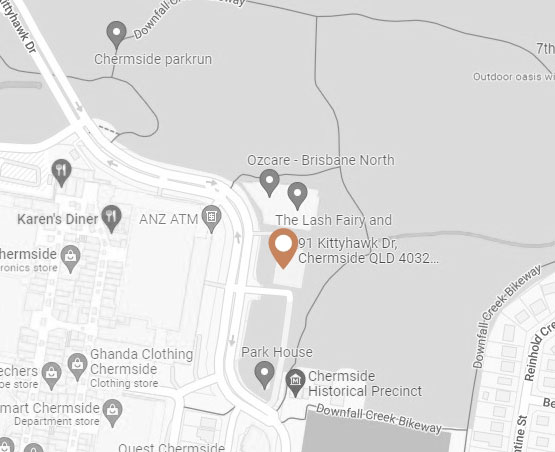
91 Kittyhawk Drive, Chermside
Dental anxiety affects millions of Australians. When fear stops you from seeing your dentist in Chermside, your oral health can suffer over time.
Anxiety can range from mild discomfort to a full-blown dental phobia, which may even trigger panic attacks at the thought of visiting the dentist.
At Today’s Dentistry, we understand that dental anxiety is real and treat every patient with compassion and care.
Dental anxiety often develops from previous negative experiences, fear of pain, or even stories from friends and family. Common causes include:
Knowing the root cause of your anxiety helps us tailor a personalised approach for your treatment.
Fear-free dentistry combines clinical expertise with psychological techniques to minimise stress. We reduce anxiety through:
Our goal is to create an environment where dental care is not only safe and effective but also comfortable and reassuring.
Before your appointment, there are strategies you can use to reduce anxiety:
Use box breathing (inhale 4, hold 4, exhale 6–8, pause 2) or a quick “physiological sigh” for 2–3 minutes, and try a 5–10 minute guided meditation the night before and on the day to arrive calmer.


Play a familiar, slow-tempo (60–80 BPM) playlist from home to the chair with headphones to keep consistency and mask clinical sounds.
List your top three worries and preferred comforts (e.g., hand-signal “stop,” numbing gel) and give or email it at the start so the team can prepare a tailored comfort plan.

Extra home prep (optional but helpful)
One of the best ways to overcome dental anxiety is to keep appointments predictable and small, regular check-ups do exactly that.
Short, calm visits create positive experiences that re-train your brain to expect comfort and control, not fear.
Australian data indicate high dental fear in roughly 1 in 6 adults and about 1 in 10 children. Other studies report high fear ranging from ~8% to 19%, depending on measurement. Dental phobia (severe, life-impacting fear) is less common.
Yes. Untreated dental issues can increase pain, embarrassment and shame, which feeds avoidance and heightens anxiety over time. This vicious cycle is well-described in clinical and public health discussions. Early, supportive care helps interrupt it.
Absolutely! Topical numbing gels, slow injection techniques, distraction, hand-signal “stop” agreements, and sedation (e.g., nitrous) are standard strategies. Discussing triggers beforehand lets the team tailor your plan and avoid surprises. Many patients find graded exposure plus good communication significantly reduces fear.
Raise your hand and we’ll pause immediately. We can add more numbing, switch to an easier step, or reschedule with sedation. You’re in control at every stage.
Tell us exactly what happened so we can adjust. We’ll allow more time, use topical gel and slow delivery, and treat any infection first (which can affect numbing). Sedation can also be considered for extra reassurance.
No, our job is to help, not judge. Many anxious patients delay care, so we expect to see a mix of issues and we take it step by step. We’ll focus on comfort, respect, and a clear plan forward.
Absolutely, having someone you trust can make a huge difference. Let us know so we can set up the room and timing. They can stay for the consult and, where appropriate, during treatment.
Yes, staging care into manageable steps is common for anxious patients. We’ll prioritise comfort and plan breaks or shorter sessions. You choose the pace that feels right.
Nitrous oxide (“happy gas”) is inhaled, acts within minutes, keeps you awake and communicative, and wears off quickly after the mask is removed. IV sedation provides a deeper, “twilight” level of relaxation via a vein and is often used for higher anxiety or longer procedures; you’ll need an escort home. Your dentist/anaesthetist will recommend the safest option for your health and treatment.
With nitrous oxide, effects usually clear within minutes once oxygen is given; many sources note patients can resume normal activities soon after. With IV or oral sedation, residual drowsiness can last for several hours. Most clinics advise against driving for at least 24 hours and recommend arranging an escort. Always follow your treating clinician’s specific instructions.
Your first visit at Today’s Dentistry is all about creating a Dental Roadmap so you know exactly what condition your teeth and gums are in, and what your options are for treatment.
Your first appointment includes:

4.9 (180 reviews)

4.9 (145 reviews)

4.9 (40 reviews)
Monday - Thursday 8:00am - 7:00pm
Friday 8:00am - 2:00pm
Saturday & Sunday Closed


Since 1988 We Have Been Treating Our Brisbane Northside Patients According To Our Philosophy Of Being Open, Honest And Plain Speaking. Meet Us And See Our Approach For Yourself By Watching One Of Our Videos!
Services
Suburbs Near Us: Ascot Dentist | Brisbane Dentist | Chermside Dentist | Clayfield Dentist | Hamilton Dentist | Kedron Dentist | Newstead Dentist | Nundah Dentist | Teneriffe Dentist | Wavell Heights Dentist