A confident smile affects more than how you look. It shapes how you eat, how you speak and how comfortable you feel in everyday conversations. If you've lost one tooth or several, you've probably heard that dental implants are the best long-term fix. The next question is usually a fair one: dental implants Brisbane are they actually worth it?
More people across Chermside and greater Brisbane are choosing dental implants over dentures and bridges. That doesn't mean they suit everyone. At Today's Dentistry, we've cared for Brisbane Northside patients since 1988, and we believe in open, honest and plain-speaking advice. No pressure and no sales pitch.
This guide covers the real benefits and drawbacks of dental implants. It also covers what they cost in Brisbane, how they compare with dentures, and who makes a good candidate. By the end, you should have a clearer idea of whether implants fit your goals.
A dental implant is a small titanium post placed into the jawbone, where it replaces the root of a missing tooth. Over the following months, the bone bonds with the implant through a process called osseointegration. Once that happens, the post becomes a stable base for a natural-looking crown, bridge or denture.
There are a few main types of implant treatment:
Implants are anchored in the jawbone, so they don't shift, click or feel bulky. The crown is custom-made to match the shape and colour of your surrounding teeth. Many patients tell us they forget which tooth is the implant.
A stable bite means you can bite into an apple or chew a steak without worrying about slipping. Loose dentures can affect speech, and implants remove that concern because nothing moves.
With good oral hygiene and regular check-ups, the implant post can last for decades. The crown on top may need replacing after around 10 to 15 years of everyday wear, which is normal and much simpler than the original treatment.
When a tooth is lost, the bone underneath gradually shrinks because it no longer gets stimulation from chewing. An implant stimulates the bone like a natural root does. This helps maintain your jaw and facial structure over time, something dentures and bridges can't do.
A traditional dental bridge usually requires reshaping the healthy teeth on either side to support it. An implant stands on its own, so the rest of your smile is left untouched.
Comfort, confidence and convenience add up. There are no adhesives, no removing teeth at night and no avoiding certain foods at social events.
Implants are an investment. While they often save money over time by lasting longer and protecting other teeth, the initial cost can be higher than dentures or bridges.
A denture or bridge can often be completed within a few weeks. Implants involve several stages: planning, placement, healing and the final restoration. The healing phase alone usually takes a few months, so you'll need multiple appointments.
Implant placement is a minor surgical procedure, and like any surgery it carries some risk. Possible complications include:
Implants have a high success rate, but no procedure is guaranteed. Healthdirect recommends asking your dental professional about the risks and your suitability before you go ahead.
Smoking, low bone density, untreated gum disease and some medical conditions or medications can affect how well an implant heals. None of these automatically rule you out, but you may need extra steps first.
Not sure where you stand? Find out whether dental implants are right for your smile with a personalised assessment at our Chermside practice.
For many people, the real decision is between implants and dentures. Here's how they compare:
| Feature | Dental Implants | Dentures |
| Stability | Excellent - fixed in the jawbone | Moderate - can slip or move |
| Longevity | 15-25+ years (post) | 5-10 years |
| Bone preservation | Yes | No |
| Comfort | High | Variable |
| Daily care | Brush and floss like natural teeth | Remove, soak and clean daily |
| Upfront cost | Higher | Lower |
Dentures cost less upfront, but they usually need relining or replacing every several years as the jaw changes shape. Implants cost more at the start but tend to need less replacement over time. When you compare the two over 10 or 20 years, the difference is often smaller than it first looks.
Snap-in dentures are worth considering if you want more stability than a standard denture without a full-arch implant bridge.
"Worth it" depends on what matters most to you:
Many patients see implants as a long-term investment. Fewer replacements, protected neighbouring teeth and the confidence of a stable smile all count toward that value.
There are also ways to make treatment more manageable. Today's Dentistry offers interest-free dental payment plans. Private health funds with major dental extras cover may contribute part of the cost, so check your level of cover with your insurer. Healthdirect's guide to the cost of dental care explains other options, including support for eligible veterans.
You may be well suited to implants if you have:
If you've been missing teeth for a while, you may have lost some bone. Bone grafting can often rebuild the area so an implant can be placed. For complex surgical cases, our team works with an Oral and Maxillofacial Surgeon who consults at our practice once a month.
Most patients find recovery more manageable than they expected. Here's the general pattern:
Keep the area clean with gentle brushing and any mouth rinse your dentist recommends. Avoid smoking, as it slows healing and raises the risk of complications.
Before you commit to treatment, look for:
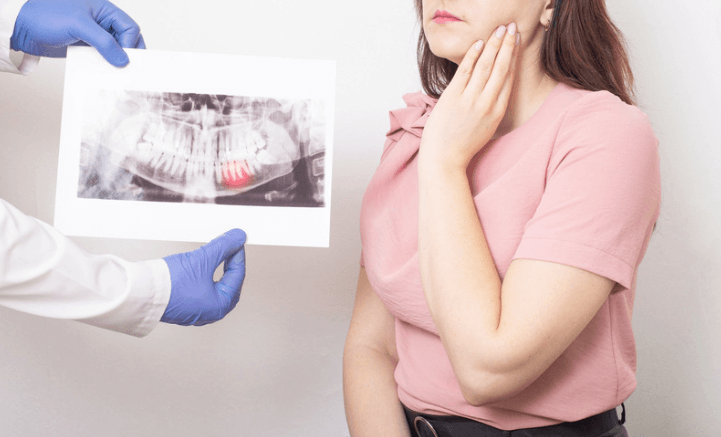
At Today's Dentistry, your first visit starts with a Dental Roadmap. It includes an intraoral scan shown on a chair-side screen, diagnostic X-rays and a clear review of your treatment and payment options. If dental visits make you nervous, our Fear-Free approach and sedation options can help. You can also meet our team before your appointment.
The implant post can last decades with good care. The crown on top typically lasts 10 to 15 years before it needs replacing.
The procedure is done under local anaesthetic, and sedation is available. Most people feel some discomfort for a few days afterwards, which is usually managed with standard pain relief.
Yes, but smoking increases the risk of complications and slows healing. Your dentist may recommend quitting or cutting back before and after surgery.
Both are safe, established treatments. Implants involve surgery, so they carry surgical risks, but they also protect your jawbone and neighbouring teeth in ways dentures can't.
A single implant with a crown generally costs $3,000 to $6,500. Full-arch treatment is usually $18,000 or more per arch, depending on your needs.
Implant failure is uncommon. If it happens, the implant can usually be removed and the area allowed to heal. A new implant can often be placed later, sometimes after bone grafting.
Dental implants offer a stable, natural-looking and long-lasting way to replace missing teeth. They also protect your jawbone and leave healthy neighbouring teeth untouched. The trade-offs are real: a higher upfront cost, a longer timeline and a minor surgical procedure.
For many people, the long-term benefits outweigh those drawbacks. The right choice still depends on your oral health, budget and priorities. That's why a personalised assessment matters more than any general guide.
If you're weighing up your options, our Chermside team can map out costs, timelines and alternatives side by side, so you can decide with confidence.
Book a consultation with our Brisbane implant dentists today or call us on (07) 3263 2677.
Any surgical or invasive procedure carries risks. Before proceeding, you should seek a second opinion from an appropriately qualified health practitioner.


"When you’re prepared to drive more than 2000km to visit the dentist"

"After 30 years of being terrified and avoiding dentists I have finally found "the one".
"The interior of the dentist feels more like a 5 star hotel spa and provides a very comfortable,
almost luxurious experience.
I highly recommend this dentist, especially if you suffer with anxiety or a fear of dentistry."
Your first visit at Today’s Dentistry is all about creating a Dental Roadmap so you know exactly what condition your teeth and gums are in, and what your options are for treatment.
Your first appointment includes:

4.9 (180 reviews)

4.9 (145 reviews)

4.9 (40 reviews)
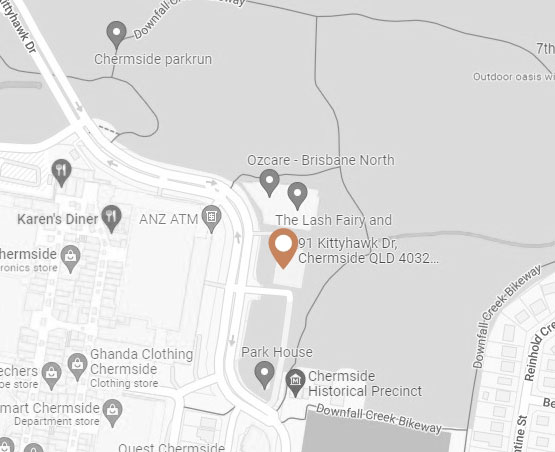
Monday - Thursday 8:00am - 7:00pm
Friday 8:00am - 2:00pm
Saturday & Sunday Closed

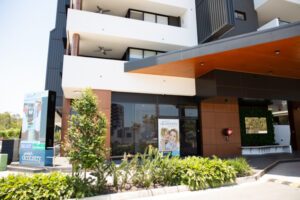
Since 1988 We Have Been Treating Our Brisbane Northside Patients According To Our Philosophy Of Being Open, Honest And Plain Speaking. Meet Us And See Our Approach For Yourself By Watching One Of Our Videos!
Services
Suburbs Near Us: Ascot Dentist | Brisbane Dentist | Chermside Dentist | Clayfield Dentist | Hamilton Dentist | Kedron Dentist | Newstead Dentist | Nundah Dentist | Teneriffe Dentist | Wavell Heights Dentist